 Halal Science, Halal Education, Halal Products, Food Safety, Halal Compliance, Halal Knowledge, Healthy Lifestyle, Halal Industry
We often see the striking "Halal" logo on food packages, restaurant menus, and cosmetic bottles. To many customers, this simply means the product is "permissible" for Muslims. However, this view is too simple. To truly understand the depth of this industry, you need a professional Halal Science Course.
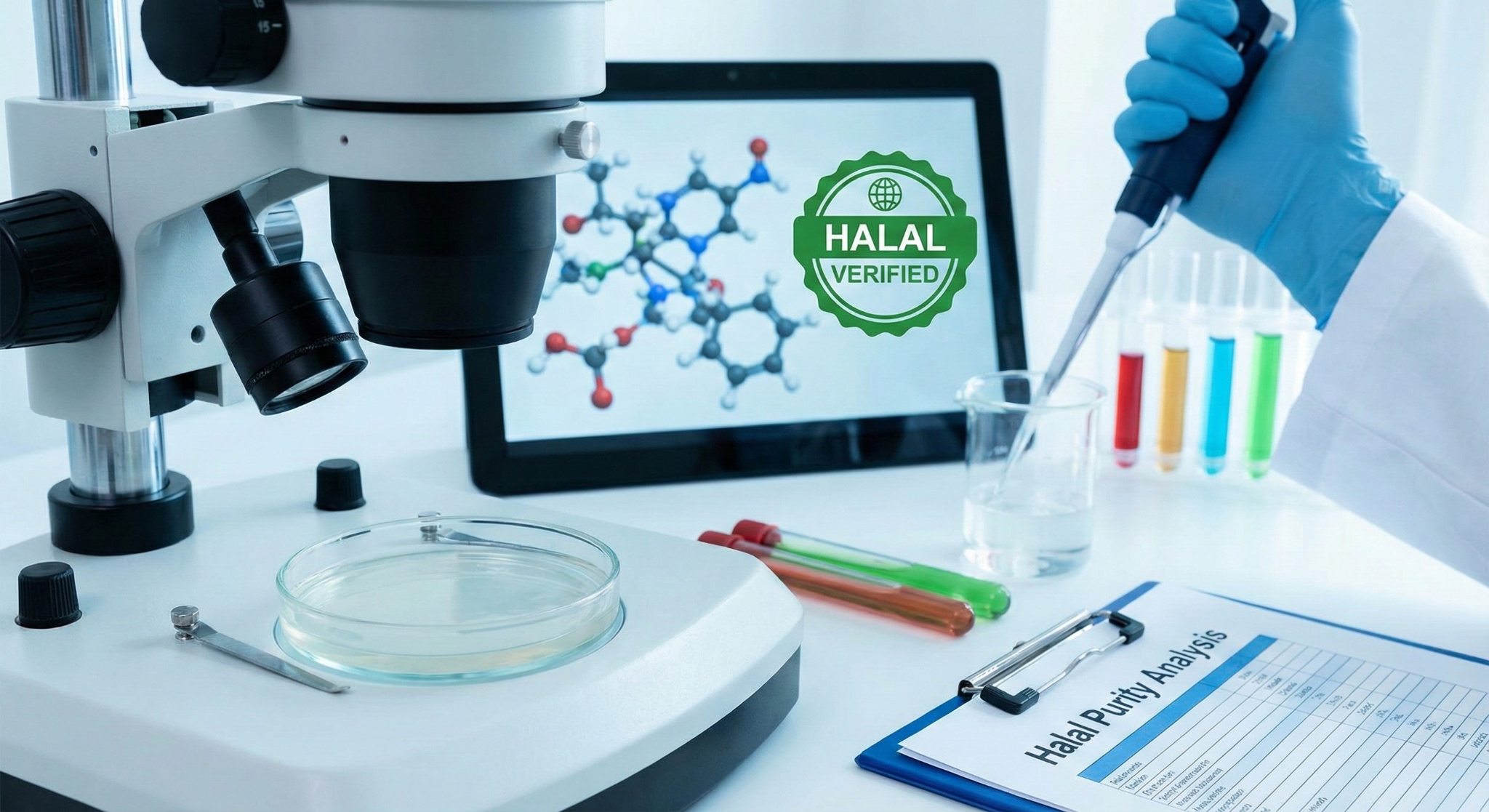
In reality, Halal Science is a complex field. It combines advanced food technology, high safety standards, and ethical production methods. Consequently, the global demand for Halal products is rising fast. This surge is not just due to religious reasons. Instead, it is driven by a global need for clean and safe products.
From life-saving medicines to daily skincare, people everywhere want certified products. Therefore, understanding the science behind the label is a powerful skill. It is no longer just for religious scholars. In fact, it has become a vital skill for the modern job market.
In this guide, we will explore what Halal Science truly is. Furthermore, we will show how the Halal Science Course at DODL prepares you to lead in this growing industry.
Redefining Halal: It's Much More Than Meat
First, let's break a big myth. Halal is not just about how we slaughter animals. That is only one part. The modern definition includes the entire product journey. Industry experts often call this "From Farm to Fork."
The Concept of Toyyiban - Wholesome and Safe
The core of this discipline lies in the concept of Halalan Toyyiban. While Halal means permissible, Toyyiban means wholesome, safe, and nutritious. Therefore, a product must be physically clean to get this certification. It must also be free from harmful ingredients.
Most importantly, it must be sanitary and safe for humans to eat. If a factory prepares food in a dirty environment, the product loses its Toyyiban status. This applies even if the ingredients are permissible. This strict rule aligns perfectly with modern food safety standards defined by the World Health Organization. Because of this, many non-Muslim consumers prefer Halal products. They see these goods as a seal of high quality and safety.

Recent Blogs
-

-

-

-

Gentle Parenting Techniques for Happy Families
 23 Jan, 2026
-

-

Mastering Time Management for Successful Learning
22 Jul, 2024
-

Best Sleep Management Tips for Optimal Learning
16 Jul, 2024
-

Recent Blogs
-
-
-
-
Gentle Parenting Techniques for Happy Families
23 Jan, 2026
-
-
Mastering Time Management for Successful Learning
22 Jul, 2024
-
Best Sleep Management Tips for Optimal Learning
16 Jul, 2024
-